Daylight vs Nocturnal Contrast
European urban centers possess entirely dual personalities. Examine the sensory transformation across crowd density, lighting, sound acoustics, and emotional resonance.
Case Study: Prague & The Charles Bridge
Daylight: 14:00 CET
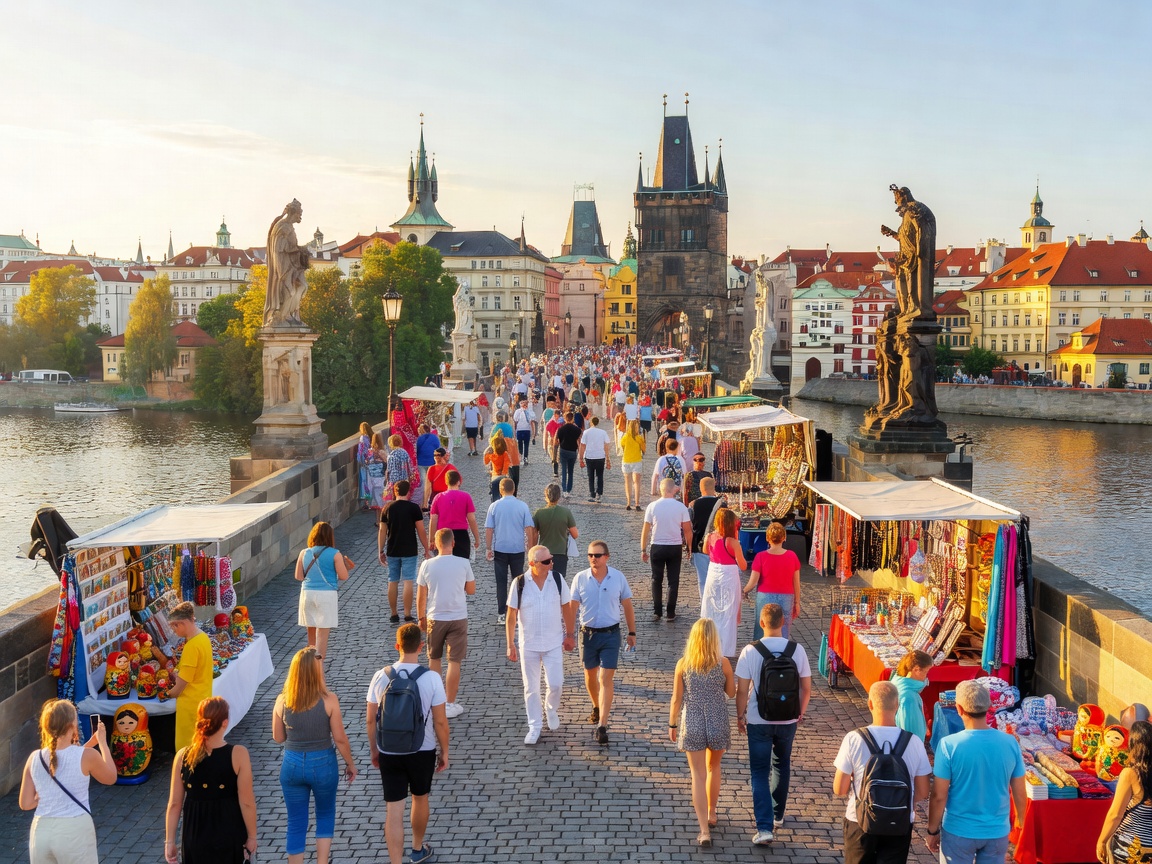
14:00 High Noon
Dense tour groups, caricature artists, selfie sticks, intense direct sunlight.
Dense tour groups, caricature artists, selfie sticks, intense direct sunlight.
Nocturne: 23:30 CET
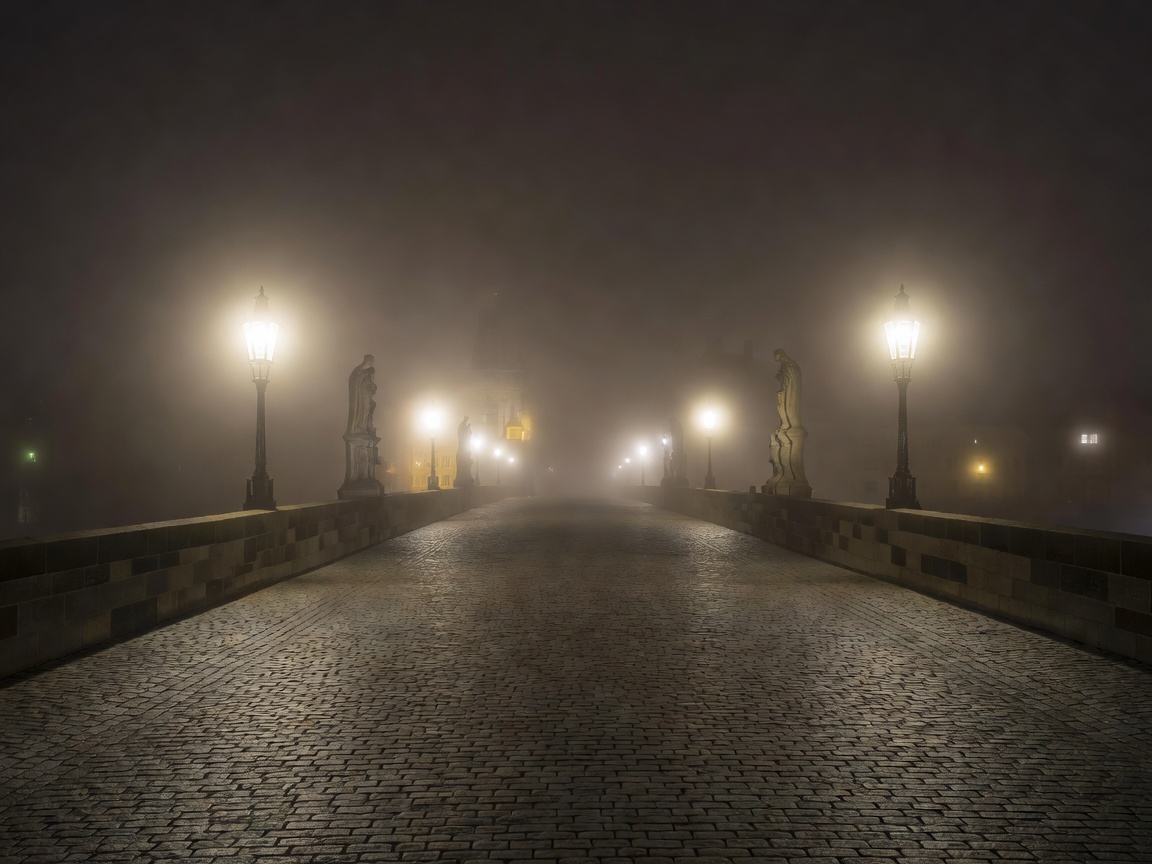
23:30 Deep Night
Echo of footsteps on damp cobblestone, amber gas lanterns, haunting Gothic solitude.
Echo of footsteps on damp cobblestone, amber gas lanterns, haunting Gothic solitude.
| Dimensional Metric | Daytime Experience (10:00 - 17:00) | After-Dark Transformation (21:00 - 03:00) |
|---|---|---|
| Crowd Density | 120–180 pedestrians / 100m² | 4–12 pedestrians / 100m² (94% reduction) |
| Dominant Acoustics | Megaphones, multilingual tours, traffic rumble | River Vltava water lap, lone violin buskers, distant church chimes |
| Lighting Spectrum | 5500K harsh white solar radiance | 2200K historic sodium vapor & gas flame warmth |
| Architectural Focus | Broad cityscape vistas, rooflines, masonry details | Dramatic shadow relief, illuminated statue silhouettes, castle ramparts |